
How can psoriasis affect the texture and appearance of hair?
Psoriasis is a chronic skin condition often associated with symptoms such as red patches, itching, and scaling. When it affects the scalp, this condition can impact hair growth and appearance . While some medications and treatments are available for psoriasis, their effects on hair texture are not always fully understood. This autoimmune disorder, often linked to stress and other factors, can indeed slow hair growth, cause hair loss, and even lead to seborrheic dermatitis, another skin condition characterized by dandruff and excessive sebum production.
This page aims to explain how scalp psoriasis impacts hair texture and appearance.
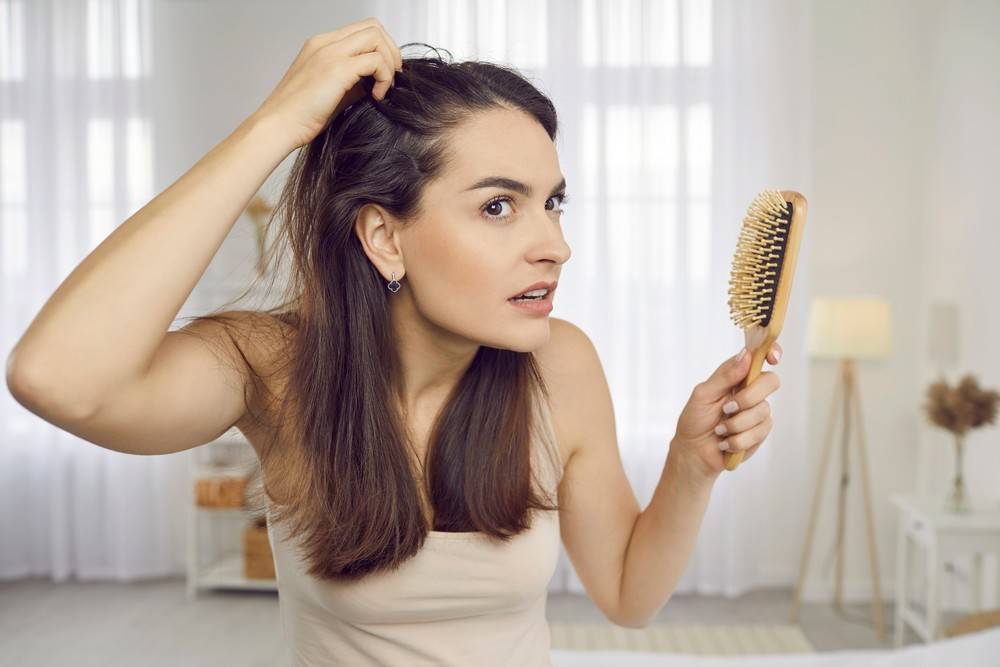
Understanding scalp psoriasis
Psoriasis is a chronic skin condition that also affects the scalp, a delicate area where the skin is particularly sensitive. When this condition affects the scalp, it can manifest as red patches, itching, and scaling. These skin symptoms can often be confused with those of seborrheic dermatitis , another skin disorder that causes dandruff and an overproduction of sebum.
Psoriasis is originally linked to an immune system dysfunction , where the body, through inflammation, accelerates the aging cycle of skin cells. This leads to an accumulation of cells on the surface, forming the characteristic plaques of the disease. When these plaques form on the scalp, they can affect hair growth, sometimes making hair more fragile and prone to falling out.
Stress is one of the factors that can worsen the symptoms of scalp psoriasis. The effects of the sun, meanwhile, can have a dual impact. While moderate sun exposure can improve symptoms for some, overexposure can aggravate the condition.
How does psoriasis affect hair texture?
Psoriasis is not limited to affecting the appearance of the scalp through the formation of red, scaly patches. Its impact also extends to hair texture, a major concern for those who suffer from it.
The first thing to understand is that psoriasis directly affects the scalp , not the hair itself. However, the changes this disease causes to the scalp have direct consequences on hair texture. Indeed, chronic scalp inflammation, responsible for plaques and itching, can slow hair growth. Furthermore, the skin cells that multiply at an accelerated rate can lead to premature aging of the hair follicles, making hair drier, more brittle, and prone to falling out .
Another common symptom is the formation of dandruff, often mistaken for seborrheic dermatitis. Dandruff originates from the thick scales formed by the rapid turnover of skin cells on the scalp's surface. Although different, the symptoms of psoriasis and seborrheic dermatitis can sometimes combine, making the hair texture even rougher and more difficult to manage.
How does psoriasis affect the appearance of hair?
Psoriasis doesn't just affect hair texture; it can also significantly alter its appearance. For many people, the appearance of their hair is a crucial part of their self-image and confidence. So, how does scalp psoriasis visually affect hair?
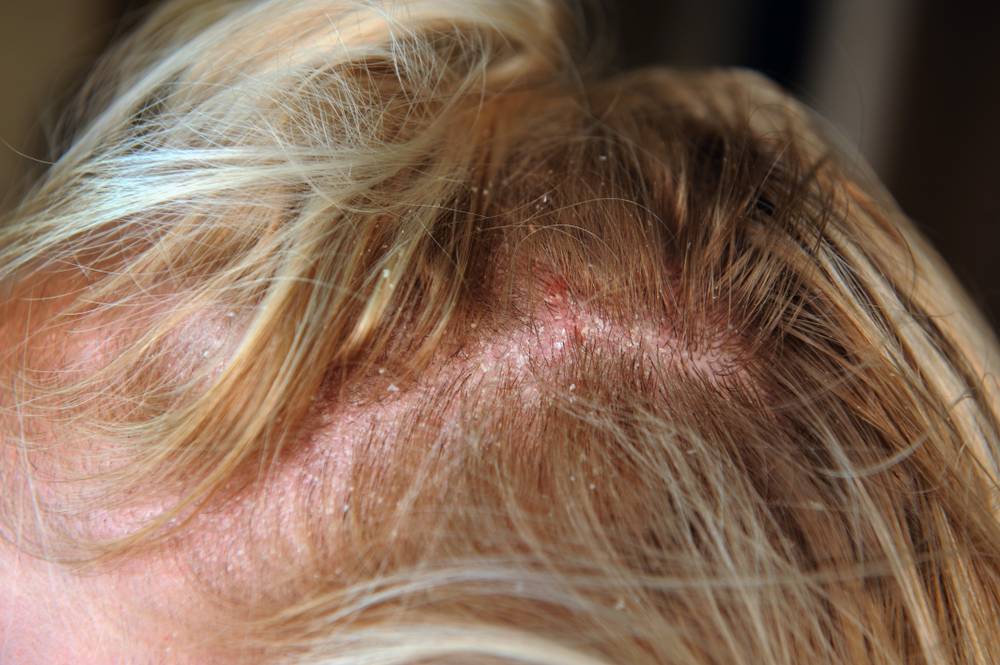
When red patches form on the scalp, they may be accompanied by thick scales. These scales, often mistaken for dandruff caused by seborrheic dermatitis , cling to the hair, giving it a neglected appearance , as if the scalp were constantly dirty or clogged. These skin symptoms can leave hair dull, lacking its usual shine and luster.
Chronic scalp inflammation, which causes these patches and itching, can also lead to hair loss. While this is not usually permanent, it can still affect hair density and volume, especially if it is repeated or prolonged.
Stress, which can worsen psoriasis symptoms, is also a factor that can influence the appearance of hair. Under its influence, hair can become dull, dry, and less healthy . Furthermore, the excessive sebum production sometimes associated with this condition can make hair oily more quickly after shampooing, affecting its apparent cleanliness.
Tips for maintaining hair health and appearance when you have psoriasis
Faced with the challenges of psoriasis, many people seek ways to preserve the health and shine of their hair. While the scalp is often affected by the red patches and inflammation associated with this condition, strategies exist to limit its effects on the hair.
First and foremost, choosing the right shampoo is crucial . Opt for gentle products, specially formulated for sensitive or itchy scalps and designed to cleanse gently without aggravating skin symptoms. Avoid products containing harsh agents that can dry out the skin or cause inflammation.
Moderate sun exposure is known to improve psoriasis symptoms thanks to the beneficial effects of UV light. However, excessive exposure can dry out the hair. It is therefore essential to balance sun exposure while protecting hair with a hat or scarf.
Stress, known to worsen psoriasis, can also affect hair health. Therefore, finding ways to manage stress , whether through meditation, exercise, or other relaxation techniques, is essential, in addition to providing a dual benefit for both skin and hair.
Finally, don't forget the importance of nutrition. A balanced diet, rich in essential nutrients, supports healthy skin and hair at a cellular level.
We recommend these other pages: