
Scalp irritation: what you need to know to avoid it?
The scalp is a true ecosystem for our hair. However, it's not uncommon to experience itching, dandruff, or even red patches, symptoms of irritation. While water and shampoo are everyday items that help us care for our hair, it's essential to know that these and other elements can irritate this delicate area. The causes of these problems are numerous: from excess sebum to psoriasis, including seborrheic eczema or a reaction to an ingredient in our shampoos. Even stress or sun exposure can worsen the situation. So, how can we soothe and care for our scalp?
This page will look at common irritations, signs to watch for, and ways to distinguish simple discomfort from a condition requiring further diagnosis.
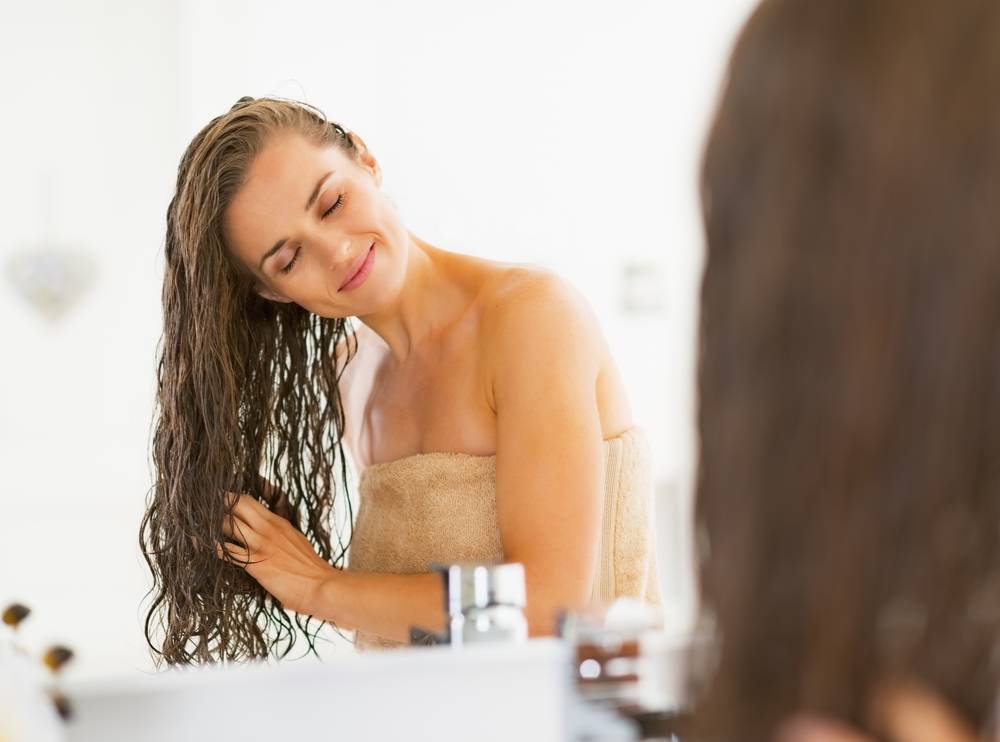
What is scalp irritation?
Scalp irritation is a common problem that affects the health and beauty of our hair. But what exactly is it? The scalp, the area of skin covering our skull, can become irritated for a variety of reasons. Itching, often the first sign of irritation, can be accompanied by red patches, dandruff, or even more complex conditions like psoriasis or seborrheic dermatitis.
Several factors can cause these irritations. Daily use of shampoos and other hair products containing irritating ingredients is a common reason. In addition, excess sebum, a natural skin phenomenon that protects and moisturizes the scalp, can cause problems when used with certain shampoos. Stress, sun exposure without adequate protection, or even unsuitable hair treatments can also irritate the skin.
Some disorders, such as eczema or psoriasis, are not directly related to the products, but are inflammatory skin conditions that can affect the scalp , thus requiring specific treatments.
What are the signs of scalp irritation?
Recognizing scalp irritation is the first step toward appropriate treatment to restore the health and beauty of your hair. Several signs can indicate a scalp problem . One of the most common indicators is an itchy sensation. This discomfort, often persistent, leads to scratching the scalp , sometimes worsening the irritation.
Furthermore, the appearance of dandruff is also a telltale sign. These tiny particles, resulting from an excessively rapid turnover of skin cells, can be exacerbated by the use of unsuitable shampoos or products containing irritating ingredients. In addition, red patches or visibly irritated skin can indicate more complex conditions, such as psoriasis or seborrheic dermatitis.
Excessive sebum production, which gives hair a greasy appearance, can also indicate a scalp reaction to certain products or shampoos . Similarly, if your scalp is sensitive to the sun, specific care is needed to soothe the skin.
Finally, while stress or aspects of our daily lives can affect the health of our scalp, it's essential to distinguish between the signs of simple irritation and the symptoms of a condition requiring further diagnosis. In the case of the latter, it's advisable to soothe the irritation by adjusting your hair care routine, opting for gentler, more natural products, and, if necessary, consulting a specialist for tailored advice.
What are the consequences of scalp irritation?
Scalp irritation, while often perceived as mere discomfort, can have deeper consequences for the health of our hair and our overall quality of life. The scalp, like the skin on our face and body, acts as a protective barrier. When it becomes irritated, its balance is disrupted, which can lead to a range of problems .
Itching, one of the most frequent consequences, can lead to incessant scratching, damaging the skin and sometimes causing lesions or red patches . These patches, in turn, can be signs of more serious conditions such as psoriasis or seborrheic dermatitis.
Furthermore, irritated skin can disrupt the natural production of sebum, leading to oily or, conversely, excessively dry hair. Dandruff is also a common consequence, often linked to an excessively rapid turnover of skin cells or a reaction to certain shampoos and hair products.
In the long term, persistent irritation can weaken the hair follicle, leading to increased hair loss or slowed growth. Furthermore, repeated use of unsuitable products or overexposure to the sun without protection can worsen the irritation.
From a psychological perspective, the beauty and health of hair play a key role in self-esteem . Chronic scalp irritation can therefore impact overall well-being, increasing daily stress and discomfort.
How to differentiate between a temporary scalp irritation and a more serious problem?
Distinguishing between simple scalp irritation and a more serious problem is essential to adopting the appropriate treatment.
First, temporary scalp irritation can be caused by temporary external factors. Perhaps you used a new shampoo with ingredients unsuitable for your skin, or perhaps you were exposed to the sun without proper sun protection? These mild itches or irritations tend to disappear once the triggering factor is eliminated .
However, if symptoms persist or worsen, this could indicate a more serious problem. Persistent red patches, excessive scaling, or the presence of lesions can be signs of conditions such as psoriasis, seborrheic dermatitis, or eczema . These conditions require more specific treatment.
Similarly, if you find that your scalp is constantly irritated despite changing products, or if the itching is disrupting your daily life, it's time to consult a specialist. Excessive sebum production or persistent dandruff can also indicate a deeper imbalance .
How can hair products cause scalp irritation?
The beauty and health of our scalp depend largely on the products we use daily. However, some ingredients found in shampoos, conditioners, and other hair care products can irritate the scalp, jeopardizing the health of our hair .
The scalp, like the rest of the skin on our body and face, is a protective barrier against external aggressors . When exposed to products containing harsh or allergenic ingredients, it can react in various ways.
For example, some shampoos designed to treat dandruff or excess sebum may contain very harsh ingredients that, while they cleanse deeply, also irritate the scalp. Furthermore, frequent use of products containing alcohol or synthetic fragrances can further dry out and irritate the scalp .
Hair care products, although designed to beautify and soothe our hair, can also contain ingredients such as sulfates, parabens, or certain mineral oils that are not suitable for all skin types.

When should you be concerned about scalp irritation?
Scalp irritation can occur for many reasons, from a reaction to shampoo to an underlying health problem. However, how can you tell when scalp irritation is simply temporary or when it warrants medical attention ?
If someone experiences mild itching after using a new hair product, it could be a temporary reaction. However, if this itching or other symptoms persist despite changing shampoos or conditioners , or worsen over time, it could be a cause for concern.
The appearance of red patches, especially if accompanied by thickening of the skin, can indicate conditions such as psoriasis or seborrheic dermatitis. These often require specific treatment and should not be ignored.
Persistent dandruff, while it can be caused by unsuitable shampoos or products, can also be a sign of a scalp imbalance , such as excess sebum or a fungal infection. Consulting a healthcare professional can be helpful in identifying the exact cause and recommending appropriate treatment.
Another symptom to watch for is hair loss associated with irritation. If hair starts falling out in abnormal amounts, accompanied by irritated skin, this could indicate more serious problems, such as scarring alopecia .
Stress, excessive sun exposure without adequate sun protection, or even harsh ingredients in hair products can exacerbate scalp irritation. It is therefore crucial to soothe this irritation with appropriate care , and to seek natural remedies or medical treatments if necessary.
How to reduce the risk of scalp irritation?
Reducing the risk of scalp irritation requires a proactive approach, involving a wise choice of hair products and a suitable care routine. After all, the scalp, just like the skin on the face and body, is exposed daily to various elements that can compromise it.
To begin, it is essential to choose shampoos and hair care products that are suited to your skin and scalp type . Reading the ingredients is crucial to avoid irritating substances.
Hot water can also irritate the scalp. It is therefore advisable to rinse your hair with lukewarm or cool water. This can also help soothe itching and regulate sebum levels, preventing the buildup that can cause dandruff.
Incorporating natural oils into your routine can provide an extra level of care. Oils like coconut oil or jojoba oil can soothe an irritated scalp while nourishing the hair.
It is also essential to know that stress can have detrimental effects on the health of the skin and scalp. Meditation or exercise can therefore help reduce the risk of stress-related irritations.
While sun protection for the scalp is often overlooked, it's just as important. Sunlight can actually worsen conditions like psoriasis or eczema . Hats and specific sunscreens for the scalp are therefore beneficial.
Finally, if despite all this advice and care, you notice persistent irritation, red patches, or other symptoms associated with conditions like seborrheic dermatitis, it is essential to consult a healthcare professional for an accurate diagnosis. They will be able to guide you toward the most appropriate treatment and provide recommendations specific to your situation.
We recommend these other pages: