
What is scalp irritation?
The health of our hair is intrinsically linked to the health of our scalp. Indeed, when the scalp is irritated , it often results in itching, flaking skin in the form of dandruff, and in some cases, hair loss. Several factors can cause these irritations , from the repeated use of unsuitable shampoos containing harsh ingredients to skin conditions such as seborrheic dermatitis, psoriasis, or eczema. Without a precise diagnosis, it is difficult to find the right treatment. In some cases, simply changing shampoos or hair care products can soothe these symptoms. But sometimes, it is essential to consult a doctor.
On this page, we will explore in depth the underlying causes of scalp problems, common symptoms, and appropriate treatments to ensure optimal health for both skin and hair.
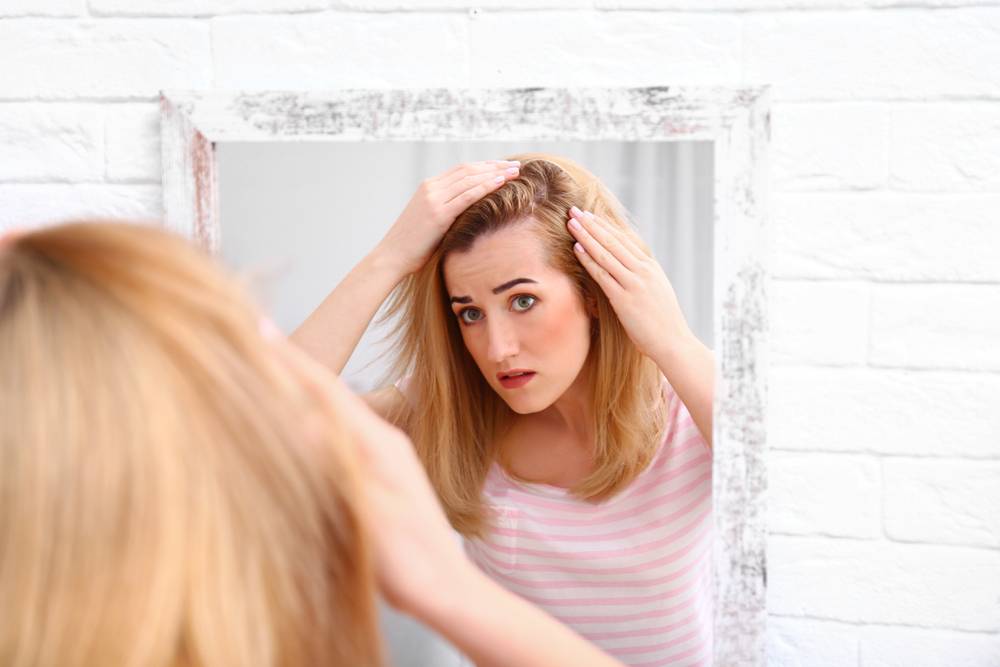
Causes of scalp irritation
One of the main causes of scalp irritation is the use of shampoos or hair products containing harsh ingredients . These products can disrupt the natural sebum balance, leading to dryness, irritation, and itching. Hard water, rich in minerals, can also irritate the scalp and compromise hair health.
Skin conditions, such as seborrheic dermatitis , psoriasis, or atopic eczema, can also cause symptoms. Seborrheic dermatitis, for example, causes greasy, scaly patches, while psoriasis causes thick, silvery plaques. Atopic eczema, on the other hand, often leads to intense itching, causing the individual to scratch their scalp and exacerbate the irritation.
The presence of lice can also lead to intense scalp irritation. These tiny creatures feed on blood, causing persistent itching. Furthermore, some scalps may be naturally dry, thus increasing their susceptibility to irritation .
Internal problems should not be overlooked either. An unbalanced diet, a deficiency in certain nutrients, or even stress can irritate the scalp.
Symptoms and signs of scalp irritation
When a scalp is irritated, it manifests in various symptoms and visible signs. One of the first is itching. This sensation can lead a person to scratch regularly, which worsens the irritation and eventually leads to red patches or lesions.
Dandruff is also a common indicator. Resulting from skin flaking, it can be dry or oily. If caused by an unsuitable shampoo or a reaction to a hair product, it will often be dry. However, in the presence of conditions like seborrheic dermatitis, dandruff can be oily and accompanied by other symptoms such as redness.
Another visible sign of irritation is the formation of plaques on the scalp. These plaques, often associated with psoriasis or atopic eczema, can be thick, scaly, and sometimes painful. Dermatitis, whether seborrheic or otherwise, also causes red, inflamed skin.
Frequent use of unsuitable shampoos or products, or those containing harsh ingredients, contributes to making the scalp more sensitive to touch , even painful. Furthermore, an irritated scalp can affect hair health, leading to hair loss, also known as alopecia, or making hair dry and brittle.
Prevention and tips to avoid irritation
Preventing scalp irritation is just as important as treating symptoms once they appear. Taking preventative measures can contribute to healthier scalp skin and, consequently, healthier hair.
The first step to avoiding irritation is choosing shampoos and hair products suited to your hair and scalp type. It's recommended to avoid harsh or irritating ingredients. Opting for gentle, sulfate-free shampoos can reduce the risk of irritation. Natural oils, such as coconut or jojoba oil, also soothe a dry scalp.
Water is also an important factor. Rinsing your hair with lukewarm water rather than hot water can prevent over-drying the scalp and disrupting its natural sebum production. Reducing the frequency of washing is also beneficial, allowing the scalp to maintain its natural balance.
If you are prone to conditions such as psoriasis, eczema, or seborrheic dermatitis, it is wise to take extra precautions. Appropriate care, recommended by a doctor or dermatologist, can help minimize flare-ups.
From a nutritional standpoint, a balanced diet rich in essential fatty acids, vitamins, and minerals can support scalp health. Avoiding overly drying products such as high-temperature hair dryers or heated styling tools is also a good preventative measure.
When dealing with dandruff or itching, avoiding scratching, even if it provides temporary relief, is essential. Scratching can worsen irritation and lead to further complications.
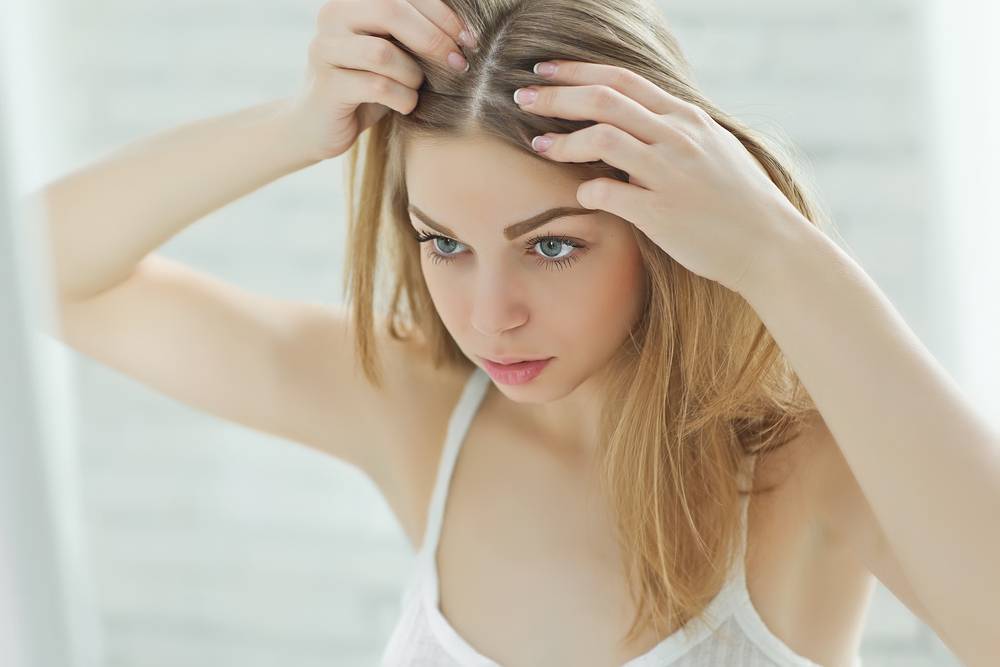
Treatments and solutions for an irritated scalp
When the scalp shows signs of irritation, such as itching, red patches, or dandruff, it's essential to identify the underlying cause to guide treatment correctly. Fortunately, there are a range of treatments available to soothe and treat scalp irritations.
First, choosing the right shampoo is crucial. Products specifically formulated for irritated scalps, such as those containing zinc pyrithione or ketoconazole , can help treat conditions like seborrheic dermatitis. For scalp psoriasis, coal tar shampoos are also recommended.
Natural oils, such as tea tree oil, have proven effective in soothing itching and reducing irritation. For dry scalps, moisturizing oils like coconut oil can be beneficial.
If the diagnosis reveals atopic dermatitis, topical corticosteroid creams may be prescribed to reduce inflammation and itching. In severe cases of eczema or psoriasis, more advanced treatments, such as phototherapy or systemic medications, remain necessary.
Consulting a dermatologist is strongly recommended for an accurate diagnosis , especially if the scalp doesn't respond to over-the-counter treatments. This healthcare professional can also advise on hair care products tailored to the specific situation.
Lifestyle changes, such as stress reduction or dietary modifications, also play a key role in scalp health.
We recommend these other pages:
- What are the signs of scalp irritation?
- What are the consequences of scalp irritation?
- How to differentiate between a temporary scalp irritation and a more serious problem?
- How can hair products cause scalp irritation?
- When should you be concerned about scalp irritation?
- How to reduce the risk of scalp irritation?