
What are the risks of complications or infections associated with scalp psoriasis?
Psoriasis is a chronic skin condition affecting millions of patients worldwide. This skin inflammation can cause itching and lesions, impacting patients' quality of life. While many forms of psoriasis exist, one of the most common is scalp psoriasis. Symptoms in this area can sometimes be mistaken for other skin conditions such as eczema or acne. Accurate examination and diagnosis by a dermatologist are crucial for appropriate management and treatment. Treatment options vary, ranging from topical medications and phototherapy to more systemic approaches. However, without proper treatment, the risk of skin infections increases , and other complications, such as nail and foot problems, can arise.
On this page, we will examine the complications associated with scalp psoriasis.
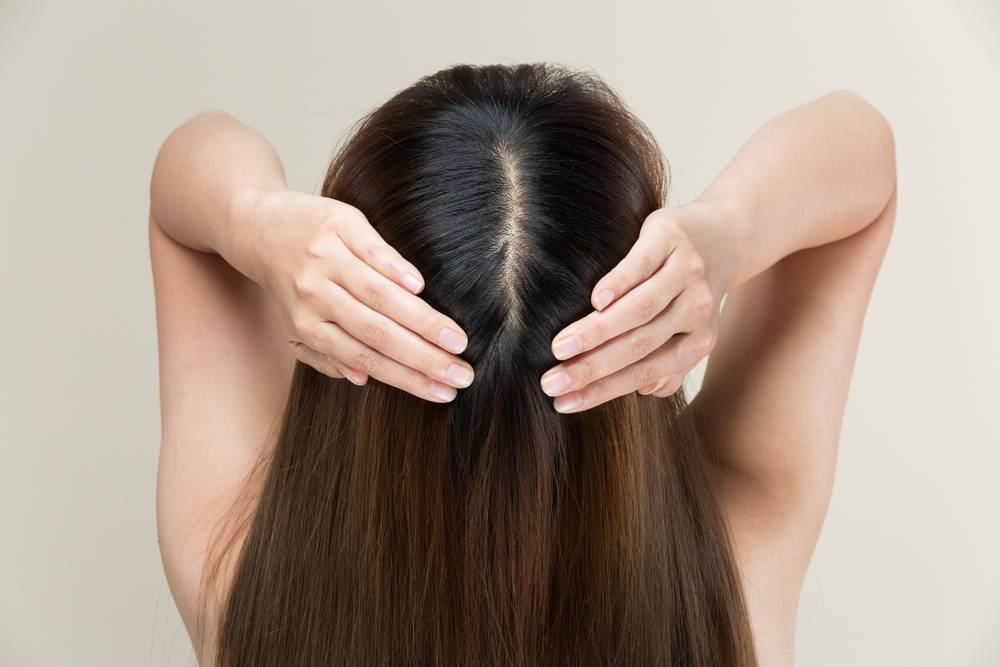
Understanding scalp psoriasis
Psoriasis is a chronic inflammatory skin disease that affects a large number of patients worldwide. Characterized by red plaques and scales on the skin, it can affect various parts of the body, but particularly the scalp.
Scalp psoriasis manifests as thick, scaly lesions , often accompanied by intense itching. Unlike other skin conditions such as eczema or acne, these plaques on the scalp can extend slightly beyond the hairline, sometimes making diagnosis challenging.
Severe symptoms can even affect patients' quality of life, leading to a loss of self-confidence or social embarrassment. Regarding the causes, although research has not yet fully elucidated the exact mechanisms of psoriasis, several factors appear to play a role. Some of these are genetic, while others are linked to triggers such as stress , infections, or certain medications.
Although itching is a common symptom of scalp psoriasis, it is crucial not to scratch the plaques, as this can worsen the lesions and increase the risk of infection.
Direct complications related to scalp psoriasis
Scalp psoriasis, while commonly associated with itching and red patches, can also lead to direct complications affecting the skin and the patient's quality of life. Understanding these complications is essential for comprehensive management by physicians and for helping patients adopt appropriate treatments and behaviors.
One of the major complications of scalp psoriasis is seborrheic dermatitis . Although this skin condition can resemble psoriasis, its causes and treatments differ. It is characterized by greasy patches, scales, and inflammation of the scalp, and can be confused with other forms of skin disease such as eczema.
Furthermore, alopecia, or hair loss, is another direct complication. The constant lesions and inflammation, coupled with itching, can weaken the hair follicles . If left untreated, this alopecia can become chronic, profoundly affecting patients' confidence and social lives.
One often overlooked complication is the development of lesions due to scratching. In response to chronic itching, the patient may unconsciously scratch their scalp, causing open sores that increase the risk of skin infections. These infections can, in turn, worsen psoriasis, creating a vicious cycle.
Furthermore, it is essential to mention the psychological effects of scalp psoriasis. Although not directly related to the skin, the visible symptoms and constant itching can affect patients' mental health , leading to self-esteem issues, anxiety, or depression.
The risks of secondary infections associated with psoriasis
Beyond the symptoms of scalp psoriasis , such as red patches and itching, this skin disease also presents risks of secondary infections.
The integrity of the skin barrier is often compromised by psoriatic lesions. This means the scalp becomes more vulnerable to various infections. For example, incessant scratching in response to itching can cause small abrasions or open sores . These damaged areas provide easy entry for bacteria, increasing the risk of skin infections.
In addition, fungal infections can also develop. These fungi particularly like oily areas of the body and thrive on a scalp affected by psoriasis, leading to symptoms similar to seborrheic dermatitis, another skin condition.
Furthermore, complications can arise if the infection spreads to other parts of the body or enters the bloodstream . Although rare, these situations are serious and require immediate medical attention.
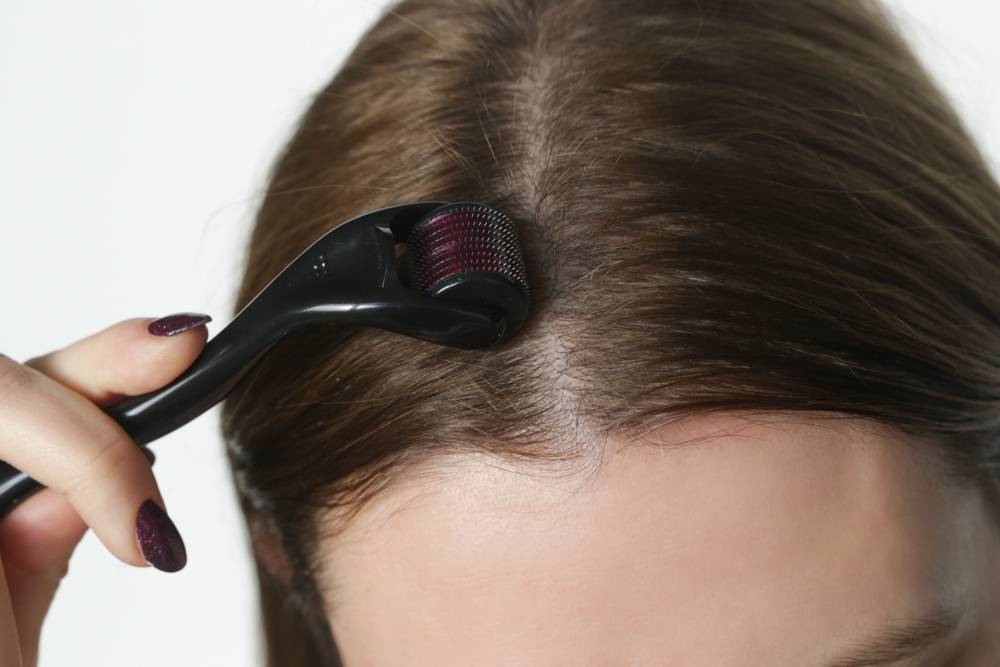
Prevention and management of risks related to psoriasis
Preventing and managing the risks associated with scalp psoriasis is essential for maintaining good skin health and avoiding potential complications. The main goal is to control inflammation and prevent the development of severe lesions .
First and foremost, early diagnosis is crucial. Consulting a dermatologist as soon as the first symptoms of psoriasis appear can lead to more effective treatment. The doctor will assess the severity of the disease and prescribe the most appropriate treatments for the patient.
Topical treatments, such as medicated creams, lotions, or shampoos , are commonly prescribed to treat scalp psoriasis. These work by reducing inflammation and slowing the rapid proliferation of skin cells. In some cases, phototherapy, which uses ultraviolet rays to treat the skin, may be recommended.
To prevent itching, which increases the risk of abrasions and secondary infections, oral medications or injections may be prescribed. These can modulate the body's inflammatory response at a systemic level.
Addressing triggering factors is also essential. Stress, for example, is often associated with psoriasis flare-ups. Patients are therefore encouraged to adopt stress management strategies , such as meditation or yoga. Similarly, some medications can worsen symptoms; it is therefore crucial to inform your doctor about your condition to avoid any unwanted drug interactions.
Good scalp hygiene is also essential. Regularly washing your hair with a gentle shampoo can help eliminate flakes. However, care must be taken to avoid harsh products that worsen inflammation.
We recommend these other pages: