
How to reduce the risk of scalp irritation?
Many factors, such as using unsuitable products, stress, or overexposure to the sun, can irritate the scalp . So how can we provide our scalp with the moisture and care it needs to maintain its balance?
On this page, we will explore the root causes of scalp irritation, share home remedies to protect and soothe your scalp, and detail how and when to seek appropriate medical treatments.
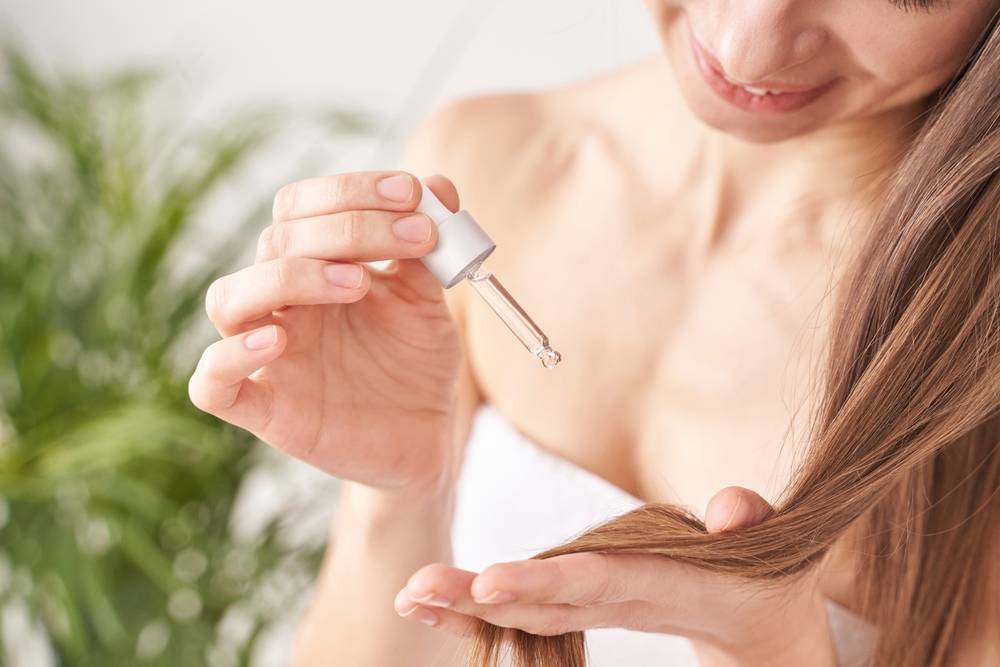
Understanding the causes of scalp irritation
The scalp, like the rest of our skin, can be affected by many unpleasant symptoms. From itching and patches to inflammation, understanding the underlying causes is essential for providing appropriate care.
One of the main causes of scalp irritation is the use of unsuitable products . Many shampoos and hair products contain harsh agents that can irritate the scalp, disrupt natural sebum production, and cause itching. Furthermore, residue left by some shampoos can lead to dandruff or increase the risk of seborrheic dermatitis, a condition characterized by flaking and patches .
Excessive sun exposure without adequate sun protection can also irritate the scalp, as can sudden temperature changes or excessive sweating. These environmental factors, combined with a lack of scalp hydration, can exacerbate irritation.
Other causes can be internal. Stress, for example, plays a key role in hair health. Intense or chronic stress can trigger or worsen symptoms such as psoriasis or eczema on the scalp. Furthermore, some conditions like psoriasis, eczema, or seborrheic dermatitis can have a genetic or immune origin , requiring specific treatment.
Good daily habits to prevent irritation
Maintaining a healthy scalp requires special attention. Simple steps can greatly help minimize the risk of irritation.
One of the first steps to maintaining a healthy scalp is carefully selecting your hair products. A good shampoo free of harsh chemicals can work wonders. Many conventional products contain substances that, while intended to cleanse, can disrupt the sebum balance and cause dandruff or irritation. In contrast, shampoos made with natural oils nourish and soothe the scalp.
Besides the choice of products, how we treat our hair daily is extremely important. Washing your hair with water that is too hot can irritate the scalp. It is therefore advisable to use lukewarm water and finish with a cold rinse to tone the skin and close the hair cuticles.
While the sun is beneficial for vitamin D production, it can also be harmful if the scalp is overexposed without adequate sun protection. Therefore, sunscreen for hair is recommended during prolonged sun exposure.
Finally, homemade treatments using natural oils can be a solution for nourishing and soothing the scalp. Coconut oil or argan oil , for example, are known for their soothing and nourishing properties.
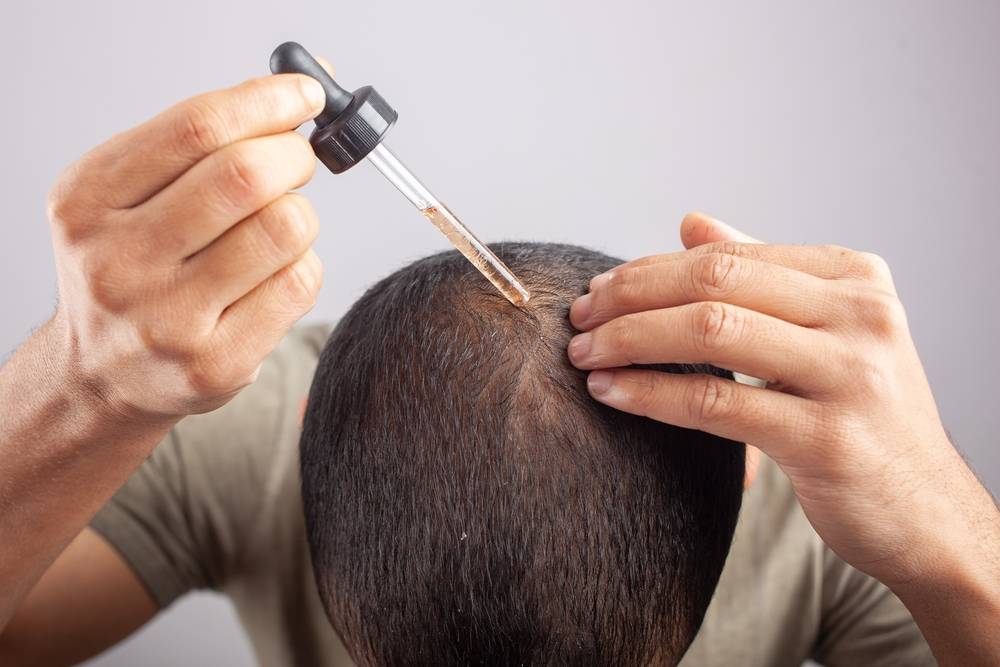
The importance of diet and lifestyle
Scalp health is closely linked to our overall lifestyle, particularly our diet. It is therefore essential to understand how diet and other factors can influence the health of our hair.
Water, for example, plays a crucial role in hair health. Adequate hydration helps maintain sebum balance, thus preventing itching and irritation. Drinking enough water also promotes blood circulation in the scalp , providing better nourishment to the hair follicles.
Diet, for its part, directly influences scalp health. Incorporating foods rich in omega-3 fatty acids, such as oily fish or certain oils , can help soothe inflammation, often the root cause of conditions like psoriasis or seborrheic dermatitis. Antioxidants, found in colorful fruits and vegetables, protect the skin from sun damage and free radicals, reducing the risk of irritation.
Stress, often underestimated, is a major cause of scalp conditions such as hair loss, itching, and eczema. Adopting relaxation techniques, such as meditation or yoga, can therefore help to calm the scalp and protect it.
In addition, home treatments, such as masks made with olive or coconut oil , can provide deep hydration and soothe symptoms of irritation.
When should you consult a specialist?
While most scalp problems can be managed at home with proper care, some symptoms require the attention of a healthcare professional. Therefore, it's crucial to know when to consult a dermatologist for an accurate assessment of your scalp health.
Persistent itching , even after using gentle shampoos and conditioners, could be a sign of an underlying condition. Psoriasis and seborrheic dermatitis, for example, can cause red patches, scaling, and inflammation of the scalp. If these symptoms are not relieved with home treatments, a consultation is necessary.
Significant hair loss, whether or not accompanied by itching, is a valid reason to consult a doctor. A precise diagnosis by a professional can determine the causes and offer appropriate treatment .
If, after sun exposure, your scalp shows signs of irritation or lesions that do not heal, it is a sign that you should consult a doctor. The skin of the scalp, like that of the rest of the body, is indeed at risk of developing sun-related illnesses .
Eczema, persistent irritations despite the use of suitable products, or the presence of excess sebum are all reasons that require professional intervention, especially since continuous scratching can worsen the skin condition and lead to secondary infections.
We recommend these other pages: