
Scalp irritation: what hair treatments are recommended?
We've all experienced that unbearable discomfort on our scalp at some point. Itching, dandruff, redness: these symptoms can indicate scalp irritation . Several factors can cause this irritation, such as unsuitable shampoos, excess sebum, or conditions like eczema or psoriasis.
But how can this be remedied? Are all the products available on the market effective? On this page, we will explore the different types of hair treatments designed to soothe scalp irritations, while also giving you some tips to maintain the health and beauty of your hair.
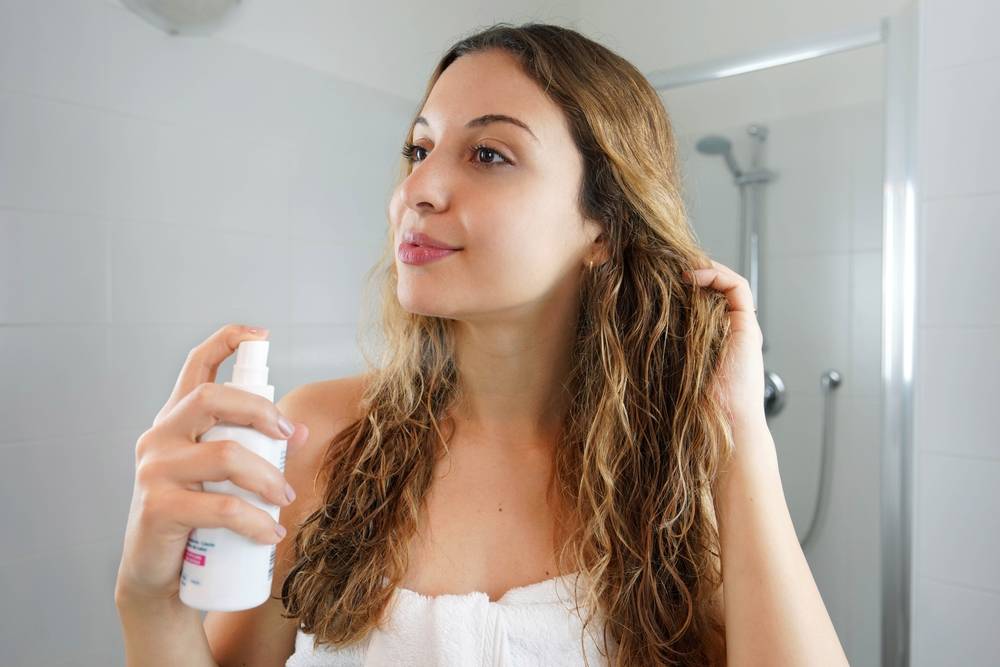
What are the different types of hair treatments for scalp irritation?
When discussing scalp irritation, understanding the underlying causes is essential for choosing the right treatment . The scalp is an extension of the skin and can therefore be subject to dermatological conditions similar to those found on other parts of the body.
Specific shampoos
One of the first reactions to an irritated scalp is often to change shampoos. Indeed, some shampoos can irritate the scalp, particularly due to their formula. It's then preferable to opt for shampoos labeled "soothing" or "for sensitive scalps." These products are formulated to respect the scalp's natural pH while gently cleansing.
Soothing oils and treatments
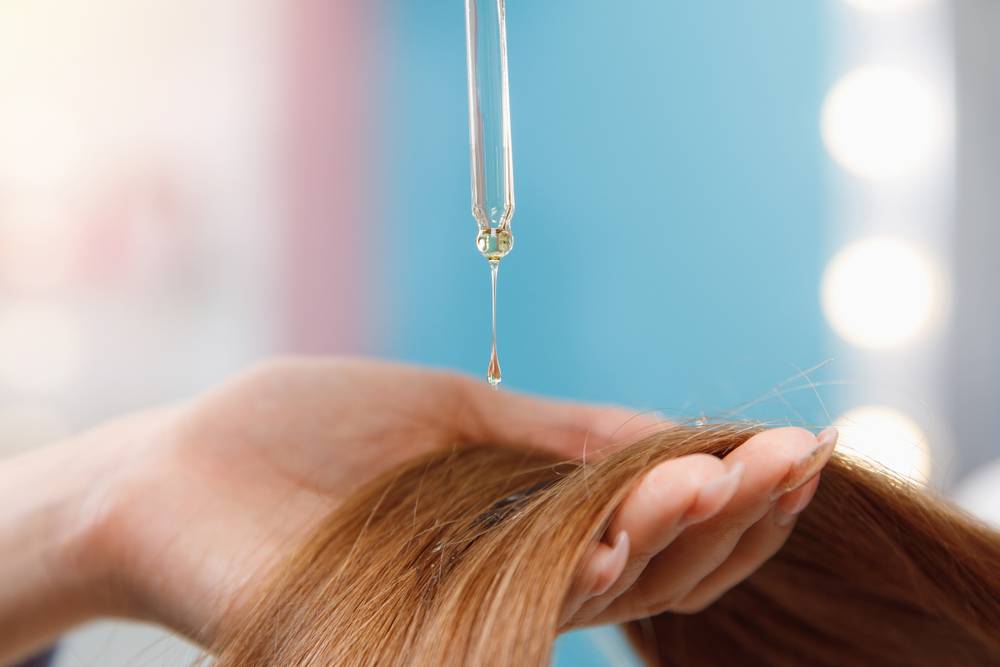
Oil is a natural remedy often recommended for treating various scalp conditions. Oils like tea tree oil, rich in antibacterial and antifungal properties, can help treat problems such as oily scalp. Other oils, like aloe vera, are known for their soothing and moisturizing properties.
Drug treatments
In cases where irritation is due to more serious conditions such as psoriasis or seborrheic eczema, medication may be necessary. These treatments are usually prescribed by a dermatologist and work at a deeper level to treat the underlying cause of the irritation.
Complementary hair care
In addition to shampoos and topical treatments, there are also hair care products specifically designed to treat scalp irritation. These products may come in the form of lotions, serums, or masks, and are generally enriched with soothing and moisturizing ingredients.
Finally, it is essential to understand that scalp irritation can have various causes. Choosing the appropriate treatment therefore requires a precise understanding of the causes of the irritation.
How do specific hair treatments work on scalp irritations?
To choose the right treatment, it is essential to understand how and why these solutions provide relief .
Shampoos suitable for sensitive skin
An itchy or irritated scalp may require the use of a specific shampoo. These shampoos are formulated with gentle ingredients that cleanse the hair without disrupting the natural sebum balance. They remove impurities while preserving essential moisture, thus preventing dryness and irritation. The cleansing agents used are generally milder and free of substances that could irritate the skin.
Oil-based treatments
When the scalp is irritated, deep hydration and nourishment can be beneficial. Oils, such as tea tree oil or aloe vera, penetrate deeply into the skin to soothe irritation, reduce itching, and restore balance. They create a protective barrier that helps prevent external aggressors.
Medical interventions
Severe conditions, such as psoriasis or eczema, often require medical intervention. These treatments, usually in the form of creams or lotions, contain active ingredients that target the underlying cause of the irritation. They may have an anti-inflammatory, antifungal, or antibacterial effect, depending on the nature of the irritation.
Which natural active ingredients should you choose for a soothing treatment for scalp irritations?
Natural ingredients often have soothing properties; let's discover which components are most effective in combating irritation.
The power of aloe vera
Aloe vera is renowned for its soothing and moisturizing properties. Used regularly, it can help relieve itching and irritation, while deeply hydrating the scalp. It's a common ingredient in many soothing hair care products.
The effectiveness of tea tree oil
Tea tree oil is known for its antifungal and antibacterial properties. It can be particularly useful for treating irritations caused by excess sebum production or the presence of fungi.
Other ingredients to look for
Other natural ingredients, such as chamomile oil or lavender oil, can also be effective. Chamomile is known for its anti-inflammatory properties, while lavender has calming and soothing effects.
Hair treatments for scalp irritations: are they suitable for all hair types?
Not all hair is created the same way; let's see how different hair types react to these treatments.
Suitable for dry hair
Dry hair can be more prone to irritation due to a lack of moisture. Oil-based treatments can be particularly beneficial for this hair type, as they deeply nourish and restore moisture.
Effective on oily hair
For oily hair, it's essential to regulate sebum production without further irritating the scalp. Gentle shampoos and balancing treatments can be effective.
Consideration of colored or treated hair
Colored or chemically treated hair can be more sensitive. It is therefore crucial to choose products without harsh ingredients that could damage the color or structure of the hair.
How to establish a skincare routine adapted to scalp irritations?
Establishing a hair care routine tailored to your scalp is essential for treating and preventing irritation. The first thing to consider is how often you wash your hair . Washing your hair every day can irritate an already sensitive scalp, as it can strip it of its natural oils. It's therefore advisable to space out your shampoos, allowing your scalp to maintain optimal hydration.
Next, using products specifically designed to soothe the scalp is essential. For example, a gentle shampoo without sulfates or irritating alcohols should be preferred. In addition, it's wise to choose conditioners and hair masks with moisturizing and soothing properties .
Furthermore, the way you care for your hair on a daily basis also has an impact. Gently massaging the scalp when applying products or avoiding extreme temperatures, such as very hot water or excessive use of a hairdryer, can make a real difference.
How effective are dietary supplements in treating scalp irritations?
Dietary supplements have gained popularity in recent years, with many people turning to them to improve the health of their hair and scalp. These supplements are often rich in vitamins, minerals, and other essential nutrients that can help strengthen hair from within.
Ingredients such as biotin, often touted for its benefits to hair health, can indeed contribute to the growth of stronger, healthier hair . Zinc, meanwhile, is a mineral that plays a crucial role in the repair and growth of skin cells, which can be beneficial for an irritated scalp.
However, while these supplements may offer benefits, it's essential to consider them as part of a holistic approach to hair care. Furthermore, it's crucial to consult a healthcare professional before starting any supplement regimen to ensure it's safe and suitable for your specific needs.
In conclusion, the quest for a healthy, irritation-free scalp is a journey that requires attention and regular care. While irritation can be frustrating, a better understanding of its causes and a proactive approach to hair care can make a huge difference. By combining wise choices in hair products, appropriate care routines, and, if necessary, dietary supplements, it is possible to effectively treat scalp irritation. Always remember to listen to your body, make informed choices, and consult experts if you have any major concerns.
We recommend these other pages: