
The role of vegetable oils in a treatment to nourish dry hair
Dry hair is often a sign of thirsty hair fibers, craving care and attention. Over time, various factors can diminish the natural beauty of our hair, leaving it dull, brittle, and lacking shine. To address this, among the many available ingredients , plant-based oils have become essential in hair care.
These elixirs, drawn from the heart of nature and brimming with nourishing and hydrating properties , are the ideal solution for reviving thirsty hair. Their ability to deeply nourish provides an organic and natural answer for those seeking radiant, protected locks. Coconut oil, for example, is renowned for its moisturizing power, especially for frizzy and curly hair. Meanwhile, argan oil, rich in nourishing properties, brings softness and shine to damaged ends.
So how can these plant oils transform dry hair into a dream mane? That's what we'll discover on this page.
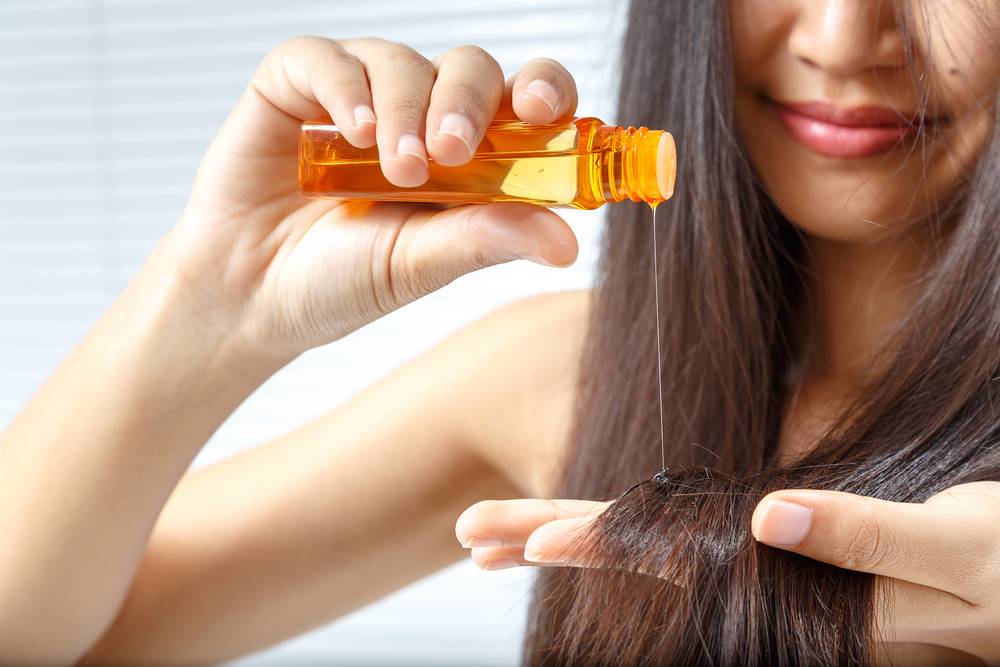
Understanding dry hair: causes and symptoms
Hair, like skin, reflects our internal health and lifestyle habits. Understanding the mechanisms that lead to dry hair is essential for effectively addressing it.
Causes of dry and damaged hair
External aggressors, such as sun or wind, can deprive the hair fiber of its natural moisture. Furthermore, habits such as using an unsuitable shampoo or bathing in excessively hot water can also make hair drier and more brittle .
Skin type, often overlooked, also plays a role. A scalp that is too dry or, conversely, too oily, can affect the health of your hair. And let's not forget that our diet and certain medications can also impact the softness and shine of our hair.
Symptoms of dry hair
The signs of dry and damaged hair are numerous. Dull, lifeless hair is often the first indicator. The ends become brittle, and the lengths lose their elasticity. For those with curly or frizzy hair, curl definition may be lost.
The scalp, meanwhile, can become irritated, intensifying the feeling of tightness and discomfort . Furthermore, dandruff may appear, a sign of an imbalance in the scalp. It is therefore crucial to provide the necessary care to restore the balance and natural beauty of the hair.
Vegetable oils: a treasure of nature for hair
Harnessing the benefits of nature is an approach that is increasingly appealing in the hair care field. Plant oils, with their exceptional properties, are emerging as ideal allies for those seeking beautiful and healthy hair.
Origins and extraction of vegetable oils
Vegetable oils are obtained from seeds, nuts, or fruits . Their extraction is a delicate process requiring specific expertise to preserve all their properties. Organic vegetable oils are distinguished by their cultivation and extraction methods, which respect the environment and do not use any chemicals.
Extraction methods, such as first cold pressing, are preferred to guarantee a quality oil, rich in active ingredients beneficial to the hair fiber and scalp.
General properties of vegetable oils for hair
The strength of vegetable oils lies in their richness in vitamins , minerals, and essential fatty acids. They deeply nourish, bringing suppleness and shine to the hair.
Oils like jojoba or argan are known for their moisturizing properties, making them ideal for dry scalps. These oils also strengthen the hair fiber, protecting hair from external aggressors and preserving its natural shine.
A closer look at essential plant oils for dry hair
The plant world is full of treasures, and certain oils stand out particularly for their beneficial effects on dry hair. The diversity and richness of oils allow everyone to find the one best suited to their hair type and specific needs.
Argan oil
Argan oil, often called "liquid gold," comes from the nuts of the argan tree. It is particularly rich in vitamin E and essential fatty acids. These components make it an exceptionally nourishing oil .
Regular application restores softness and suppleness to damaged ends, while strengthening the hair fiber. It is also valued for its anti-frizz action, giving hair unparalleled shine.
Coconut oil
Coconut oil, extracted from the fruit's pulp, is a favorite oil for kinky, curly, and frizzy hair. Its composition, rich in lauric and myristic acids, gives it exceptional moisturizing properties. By penetrating deeply, it nourishes the hair from within , redefining curls and providing softness and shine.
Jojoba oil
Jojoba oil is unique in its structure, which is very similar to human sebum. This similarity allows it to balance the scalp's sebum production , thus preventing excesses or deficiencies. It moisturizes without weighing hair down and protects color-treated hair from the harmful effects of the sun and pollution.
Castor oil
Rich in fatty acids and vitamin E, castor oil is known to stimulate hair growth . By strengthening the roots, it prevents hair loss. Furthermore, it coats and protects the hair fiber, resulting in thick, shiny hair.
Other oils to consider
Other equally beneficial oils deserve mention. Avocado oil , for example, is ideal for nourishing brittle hair thanks to its richness in vitamins A, D, and E. Sweet almond oil, gentle and light, is perfect for dry ends, while also adding shine and softness.
Each vegetable oil possesses unique properties, tailored to the different needs of hair. Understanding these properties is essential to fully benefit from their properties. In the rest of this article, we will discuss application methods to maximize the benefits of these natural treasures.

Application methods: making the most of plant oils for dry hair
While each vegetable oil possesses unique properties, the way they are applied greatly influences their effectiveness. Familiarizing yourself with application methods allows you to maximize the benefits of oils for your hair and scalp.
Oil bath: deep nourishment
An oil bath is an age-old technique that deeply nourishes the hair fiber. This method involves generously applying the oil of your choice to the entire head of hair, paying particular attention to the ends and lengths.
After gently massaging the scalp to stimulate blood circulation and promote oil absorption, wrap your hair in a warm towel. This step enhances the absorption of the oil's nourishing properties. Ideally, leave the oil treatment in place for several hours , or even overnight, before using a gentle shampoo to remove any excess.
Oil-based hair mask
Adding plant-based oils to your usual hair mask is an excellent way to boost hydration and nourishment. Simply add a few drops of your chosen oil to your mask, mix, and then apply to your hair. By leaving it on for about thirty minutes before rinsing, your hair will benefit from deep hydration, leaving it soft, shiny, and easy to style.
Leave-in treatment
For those seeking a quick fix, applying a small amount of oil to dry ends and lengths can work wonders. This method is especially recommended for curly and frizzy hair . It helps redefine curls, control frizz, and add instant shine. Opt for lightweight oils like jojoba or sweet almond to avoid a greasy feel.
In conclusion, plant oils, in all their splendor and diversity, are undoubtedly powerful allies for dry and thirsty hair. Their ability to nourish, hydrate, and revitalize the hair fiber is key to restoring healthy, shiny, and strong hair. Far more than a simple trend, the use of plant oils is part of an organic and natural approach to hair care, respecting the nature of our hair.
The variety of available oils, ranging from argan and coconut to jojoba and castor, offers everyone the opportunity to find the perfect elixir for their specific needs . By adopting appropriate application methods, the benefits of these oils are amplified, providing hair with everything it needs to shine brilliantly. It's time to explore the rich palette of plant-based oils and let our hair reap the rewards.
We recommend these other pages: