
What are the common causes of scalp irritation?
Scalp irritation is a common problem that many of us experience. From dryness to itching, these symptoms can vary considerably in intensity. However, the causes of scalp irritation go far beyond simply choosing the wrong product. From seborrheic eczema and atopic dermatitis to allergies to ingredients in our daily skincare products, our scalp can suffer from a range of conditions . Some people may even experience hair loss.
On this page, we will delve into the various reasons why our scalp may be irritated, whether it be due to environmental factors or sensitivity to the products we use.
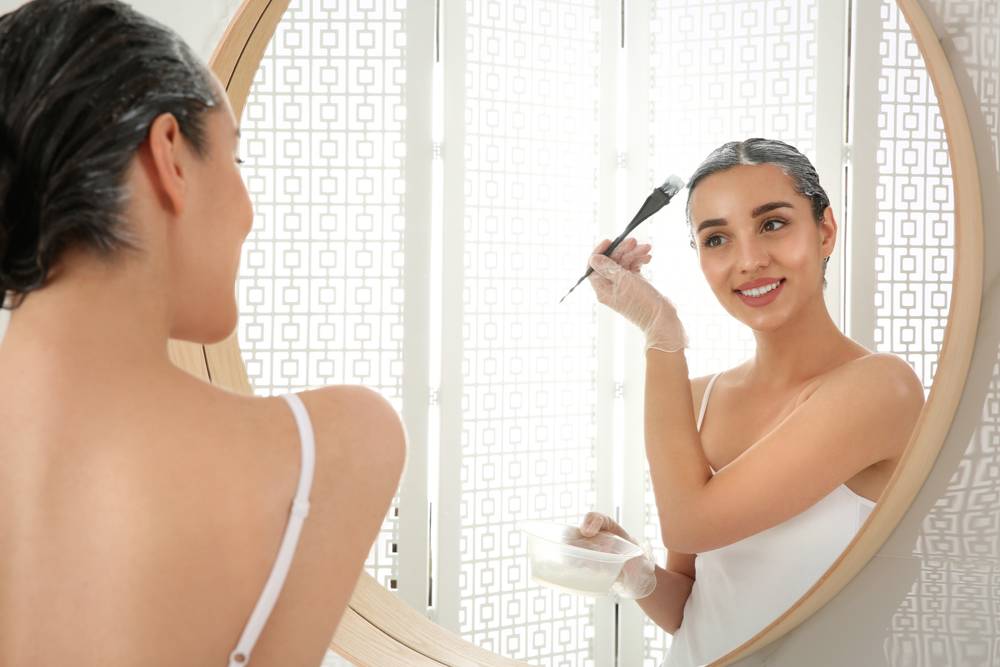
Environmental factors that can cause scalp irritation
The environment in which we live plays a key role in the health of our scalp. External factors can irritate the skin beneath our hair, leading to itching, dryness, and other undesirable symptoms. One of the main causes of this irritation is prolonged sun exposure . Without adequate protection, UV rays can damage the scalp, causing increased dryness and sensitivity, often manifesting as itching.
Furthermore, air pollution, rich in fine particles and pollutants, can accumulate on our hair and scalp. It is therefore essential to choose suitable shampoos and conditioners, rich in gentle ingredients, to cleanse away these impurities while preserving the health of our scalp.
Furthermore, hard water, containing minerals like calcium and magnesium , is also a potential source of problems. It can alter the natural sebum that protects our skin, exacerbating symptoms. Some people may even develop more serious conditions such as seborrheic dermatitis or psoriasis as a result of constant exposure to these environmental factors.
Finally, seasonal changes, particularly dry winter air, can exacerbate scalp texture. If not addressed with appropriate care, this climatic variation can lead to dry patches, dandruff, and increased sensitivity.
The role of stress and emotional disturbances on scalp irritations
The impact of stress and emotional distress on our overall health is widely recognized. However, what many people don't realize is that these same factors can also affect the health of our scalp. When we are subjected to prolonged stress or emotional upheaval, our bodies react in various ways. One of the most common manifestations is the appearance of irritation and itching on the scalp.
Doctors and hair health experts agree that stress can disrupt the natural sebum balance on our scalp . This can, in turn, lead to increased dryness or, conversely, excessive production. These imbalances can cause problems such as seborrheic dermatitis, characterized by oily patches and itching.
Furthermore, stress can exacerbate pre-existing conditions such as scalp psoriasis or atopic eczema. In such cases, symptoms may worsen during periods of intense stress, requiring specific care and treatment.
It's also not uncommon for stressed individuals to change their hair care habits, using shampoos, products, and treatments more frequently that aren't always suited to their skin . This excessive or inappropriate use can further irritate the scalp, intensifying itching and other symptoms.
However, it is essential to note that not all emotional distress necessarily leads to scalp irritation. The relationship between stress, emotions, and scalp health is complex and depends on many individual factors.
Scalp irritation: harsh chemical hair products
The vast world of hair products offers a multitude of options for all hair and scalp types. However, the variety and complexity of the ingredients used in these products can sometimes do more harm than good. Harsh chemicals are, in fact, a major cause of scalp irritation.
The skin on our scalp is particularly sensitive and vulnerable to irritants . Therefore, using shampoos, conditioners, and other hair products containing harsh ingredients can cause a reaction or even contact dermatitis. This reaction often manifests as itching and sometimes as red patches.
Sulfates, for example, are frequently used in shampoos for their ability to produce a rich lather . However, they can strip the scalp of its natural oils, leading to increased dryness and sensitivity. Furthermore, some synthetic preservatives and fragrances found in hair products can cause allergies and irritation.
Hair loss can also result from the regular use of harsh chemicals. Hair treatments such as relaxers, dyes, and perms often contain chemical compounds that, if misused or overused, damage the hair structure and deeply irritate the scalp .
The effects of an allergic reaction on scalp irritations
Allergic reactions , often unpredictable, are a major concern for many people when it comes to scalp and hair care. Skin sensitivity to certain ingredients can turn the experience of using a new hair product into a scalp nightmare.
An allergy is an exaggerated immune response of the body to a generally harmless substance . When the scalp reacts to a product, one of the first symptoms is often intense itching. This can be accompanied by dryness, red patches, and, in some cases, dandruff. Common culprits include certain shampoos, hair treatments, and even oils .
Contact dermatitis is also a common condition resulting from an allergy. It can manifest as eczema, psoriasis, or seborrheic dermatitis . The choice of ingredients in shampoos and other hair products is crucial. Certain preservatives, fragrances, or even some essential oils can trigger an allergic reaction in sensitive individuals.
When an allergy is suspected as the cause of scalp irritation, it is essential to immediately stop using the offending product . A doctor or dermatologist can confirm the diagnosis and recommend appropriate treatment. In some cases, allergy testing may be necessary to identify the responsible ingredient(s).
Excess sebum in scalp irritation problems
Sebum is a natural oil produced by the sebaceous glands, whose primary function is to protect and moisturize the skin and hair. However, when produced in excess , it can cause various hair problems.
The scalp, rich in sebaceous glands, can become particularly oily and give hair an unwanted shine . This imbalance can trigger itching, irritation, and even inflammation. Furthermore, excess sebum is often associated with seborrheic dermatitis, a condition characterized by oily patches, redness, and dandruff.
Choosing the right shampoo is essential for managing these problems. Some hair products, containing harsh ingredients, can further irritate the scalp and exacerbate the issue. It is therefore crucial to choose gentle shampoos specifically formulated to regulate sebum production.
Itching and irritation, often impacted by excess sebum, can worsen in the presence of other conditions such as eczema, psoriasis or even an allergy to a product, hence the importance of consulting a doctor or dermatologist when persistent symptoms are observed.
In terms of treatment, in addition to appropriate hair care , topical treatments , or even oral medications, are sometimes recommended to control excess sebum and associated reactions. Furthermore, all good lifestyle practices, such as a balanced diet, contribute to improving scalp health.
Scalp irritation and dry hair problems
Dry hair is often a sign of a dehydrated scalp . This dryness can cause itching, dandruff, and even more serious conditions like eczema or atopic dermatitis. The scalp, like the skin on the rest of the body, needs proper hydration to maintain its integrity and protective function .
The causes of this dryness can be numerous. Frequent use of shampoos containing harsh ingredients can irritate and dry out the scalp. Furthermore, some hair treatments, particularly those based on chemicals, damage the skin's protective barrier, leading to moisture loss.
To effectively treat dry hair and scalp irritation, choosing the right products is essential. Opting for gentle shampoos and hair care products without harsh ingredients can help restore the natural sebum balance . Adding oil, such as argan or jojoba oil, to your hair care routine can also provide extra hydration, soothing itching and other issues.
Scalp irritation related to the presence of dandruff
The causes of dandruff are varied . Among the most common scalp conditions that cause itching and dandruff is seborrheic dermatitis. This condition is characterized by an excessive production of sebum, which leads to irritation and the formation of patches on the skin . The presence of certain fungi can also contribute to this scalp problem.
Inappropriate shampoos and other hair products can also irritate the scalp, exacerbating dandruff. Symptoms include not only visible flakes, but also itching, increased scalp sensitivity, and sometimes even redness. In cases of more severe conditions, such as psoriasis or eczema, these signs can worsen, requiring medical attention.
Treating dandruff and other scalp reactions relies primarily on choosing the right product. Regular use of an anti-dandruff shampoo , containing active ingredients designed to address the underlying causes of dandruff, is often recommended. Natural oils, such as tea tree oil, can also provide relief by offering antifungal and soothing properties.
We recommend these other pages: