
What are the possible causes of scalp psoriasis?
Scalp psoriasis is a chronic skin condition affecting many patients worldwide. These lesions often manifest as red patches covered with white scales, similar to thick dandruff, which cause itching and irritation . The symptoms, often mistaken for seborrheic dermatitis, require accurate diagnosis by a dermatologist for appropriate treatment. It's worth noting that several factors can trigger or worsen this condition, including stress, medications, and certain significant life events.
On this page, we will explore the underlying causes of this condition, its association with other diseases, the effect of the immune system and genetics, as well as the various factors that trigger this form.
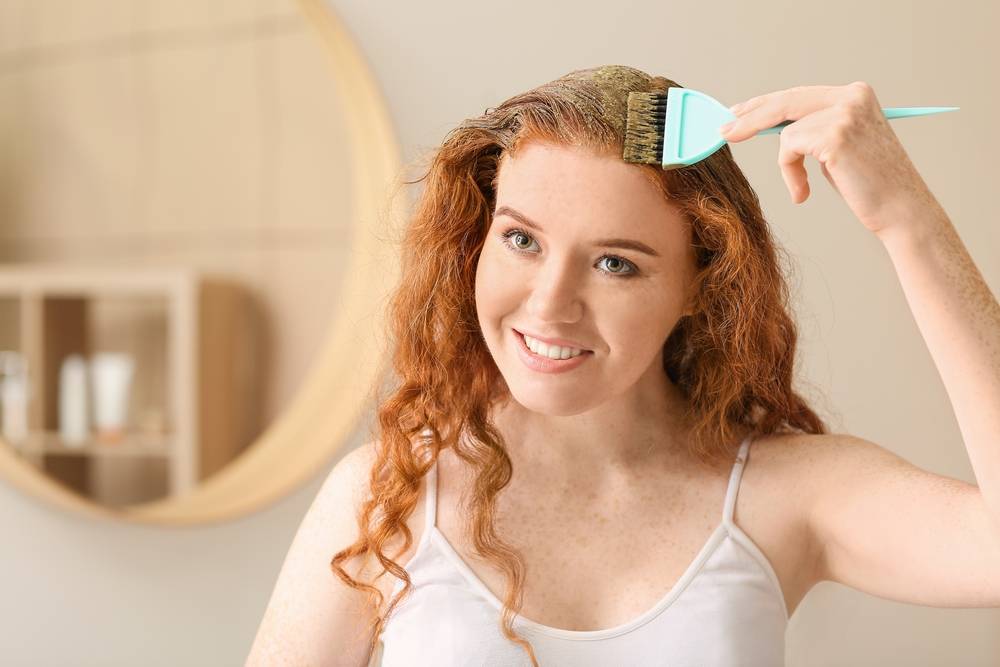
What are the underlying factors and origins of scalp psoriasis?
Scalp psoriasis is a chronic condition that manifests primarily as red patches and scales. These lesions can cause itching and irritation, and are often confused with seborrheic dermatitis, another skin condition.
The exact causes of psoriasis remain somewhat enigmatic to the medical community. However, a number of factors appear to play a crucial role in triggering or worsening the disease. Infections, for example, can trigger a flare-up in some patients, especially those caused by streptococcus bacteria. On the scalp, excessive use of certain hair products or an unsuitable shampoo can also irritate the skin, creating an environment conducive to the development of symptoms.
Stress is another well-known factor associated with psoriasis flare-ups. Stressful periods in life, whether professional or personal, can have a destabilizing effect on skin health. This reaction is particularly visible on the scalp, where inflammation and lesions can worsen under the influence of stress .
In addition, physical trauma, such as injuries to the hair or scalp, also contributes to amplifying the disease.
Finally, some medications are known to increase the risk of flare-ups . Taking these medications requires close monitoring by a dermatologist to assess their effect on the skin and hair.
What is the role of genetics in the predisposition to scalp psoriasis?
Psoriasis, particularly on the scalp, is a complex disease with multifactorial origins. Among the identified causes, genetics plays a predominant role .
Health research has indeed highlighted the existence of certain genes associated with psoriasis. While the presence of these genes does not guarantee the development of the disease, it does increase the risk. When psoriasis symptoms appear on the scalp, a family history of the condition is common.
This genetic predisposition is not, however, a death sentence. Other factors, such as stress, taking certain medications, or using irritating hair products, can play a triggering or aggravating role.
It is crucial to understand that, while genetics defines a predisposition, it is not the sole cause of scalp psoriasis. Quality of life, skin and hair care, and other environmental factors also play a role.
What role does the immune system play in the development of scalp psoriasis?
Psoriasis is more than just a skin condition. It reflects an imbalance within the patient's immune system .
The immune system is designed to protect the body against external threats, such as infections. However, in the case of psoriasis, it malfunctions and mistakenly attacks skin cells, leading to inflammation. This excessive immune response accelerates the skin cell renewal cycle . Normally, the lifespan of a skin cell is about a month, but for patients with psoriasis, this cycle can be reduced to just a few days.
It is worth noting that stress, often cited as a trigger or aggravating factor, can also adversely stimulate the immune system . Therefore, it is essential for patients with scalp psoriasis to adopt stress-management strategies and take care of their mental health.
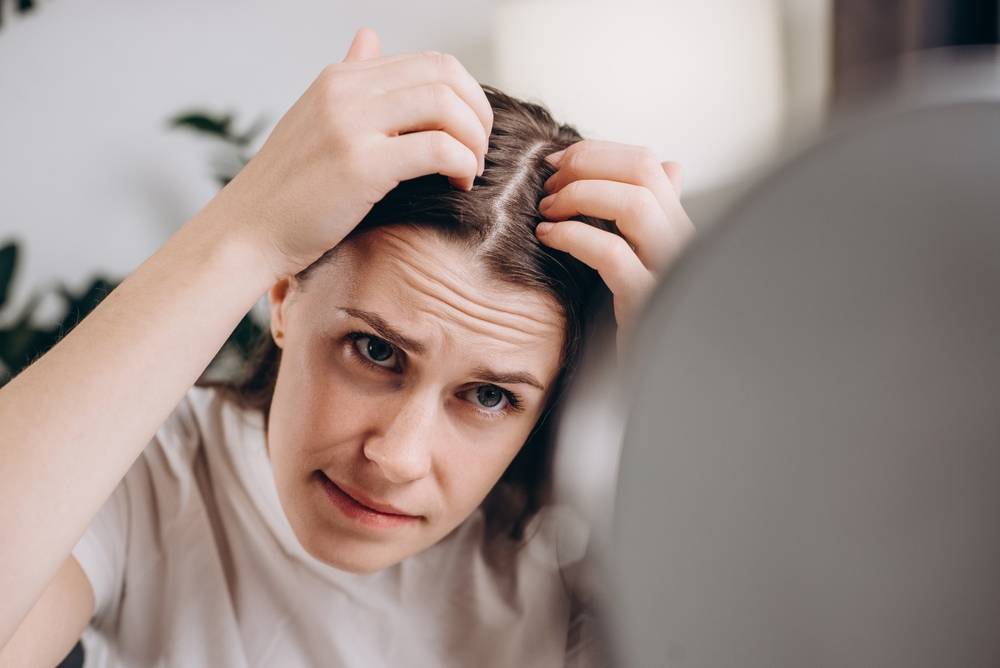
What are the links between stress and the triggers of scalp psoriasis?
Stress is often mentioned by patients as a trigger or aggravating factor in their symptoms. So, how are these two elements interconnected ?
Whether physical or emotional, stress triggers a bodily response that can affect the immune system. Indeed, prolonged periods of stress cause or worsen inflammation . For patients with scalp psoriasis, this heightened inflammation manifests as the appearance or worsening of plaques and lesions on the skin. These plaques can cause itching, often mistaken for simple dandruff or seborrheic dermatitis.
Regarding the hair, irritation caused by psoriasis can be amplified by the use of unsuitable hair products, particularly certain shampoos. Therefore, it is important for patients to opt for specific treatments to avoid worsening their condition.
From a broader perspective, patients' quality of life can be significantly impacted by stress. Not only can it trigger relapses, but it also influences how patients live with their illness .
What other diseases can be associated with scalp psoriasis?
Scalp psoriasis is not an isolated disease. In fact, several conditions can be associated with this skin manifestation.
First, psoriasis can be accompanied by psoriatic arthritis, an inflammation of the joints. Although the link between the scalp and the joints may seem tenuous, nearly a third of psoriasis patients can develop this form of arthritis . It is therefore vital to consult a doctor as soon as the first symptoms appear to avoid complications.
Seborrheic dermatitis is another skin condition frequently confused with scalp psoriasis due to similar symptoms such as plaques, itching, or dandruff. Distinguishing between these two conditions is essential for their management, as the treatments differ.
Furthermore, metabolic syndrome , which includes several disorders such as obesity, hypertension and hyperglycemia, presents an increased risk in patients with psoriasis.
Patients' quality of life can also be impacted by mood disorders such as depression and anxiety, often associated with psoriasis, particularly due to the stress caused by physical appearance and itching .
We recommend these other pages:
- What do you need to know about scalp psoriasis for effective treatment?
- What are the symptoms of scalp psoriasis?
- What are the impacts of psoriasis on hair?
- What medical treatments are available for scalp psoriasis?
- Hair treatment and psoriasis: which hair products are suitable?
- Hair treatment for psoriasis: what advice is there?