
Hair treatment for psoriasis: what advice is there?
Psoriasis is a chronic skin condition that, when it affects the scalp, can cause much more than just itching. While it may resemble dandruff or even seborrheic eczema, red patches, silvery scales, and irritation are distinctive symptoms of this condition. It's worth noting that inappropriate products, such as some everyday shampoos, can worsen itching and patches, increasing the need for specific treatments. Beyond simply choosing a shampoo or oil, it's also crucial to understand the underlying causes, the effect of stress on the condition, and how to minimize irritation and hair loss .
On this page, we will explore some tips and a list of treatments recommended by dermatologists to effectively treat scalp psoriasis and relieve its symptoms.
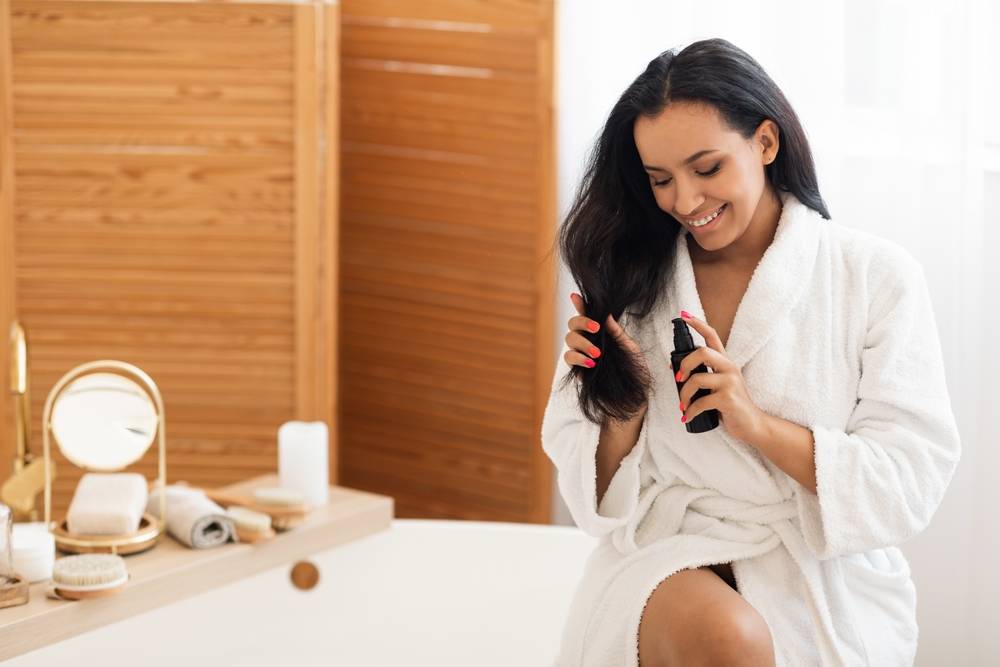
How to adopt a hair treatment routine adapted to scalp psoriasis?
Adopting a suitable hair care routine when affected by scalp psoriasis is essential for maintaining healthy skin and hair. Psoriasis, a chronic skin condition, presents symptoms such as red patches, scales, and itching , which can worsen if not properly cared for .
It all starts with choosing the right products. Some shampoos commonly used to treat dandruff or seborrheic eczema may not be suitable for treating psoriasis. Itching and lesions can also worsen with the use of inappropriate products. It is therefore advisable to opt for specific shampoos and treatments formulated to soothe the scalp and gently remove scales .
Stress levels play a major role in worsening symptoms. Limiting flare-ups and using relaxation techniques can help reduce their frequency. Similarly, scratching affected areas can lead to damage and hair loss. Consulting a dermatologist will provide an accurate diagnosis and tailored advice. The doctor may also prescribe topical medications to relieve symptoms .
How to wash your hair to avoid scalp psoriasis?
Washing your hair is a crucial step when trying to prevent or limit the impact of scalp psoriasis. Indeed, the way you care for your scalp can greatly influence the symptoms of this skin condition.
First and foremost, choosing the right shampoo is vital. While many products promise to treat dandruff or even seborrheic eczema, not all are suitable for scalp psoriasis. Opting for a shampoo specifically formulated for people with psoriasis is therefore a good starting point. These shampoos typically contain soothing ingredients that help reduce itching and inflammation , while gently exfoliating scales.
Water is also an important factor to consider. Water that is too hot can worsen symptoms and cause further scalp irritation. It is therefore recommended to rinse your hair with lukewarm or even cool water to soothe the skin and reduce the risk of damage.
The products we use can affect the health of our scalp. Therefore, avoiding harsh shampoos or those containing irritating chemicals is essential. In some cases, a dermatologist may recommend a topical medication to be applied before or after shampooing to treat patches and reduce itching.
The mechanical effect of washing should also be considered. Rubbing too vigorously or scratching the affected areas can worsen symptoms or even cause hair loss. It is therefore advisable to use gentle movements, massage the scalp delicately, and avoid any trauma.
How to style and brush hair without aggravating scalp psoriasis?
Styling and brushing hair requires special attention when suffering from scalp psoriasis. These daily routines, if performed incorrectly, can worsen the symptoms of this skin condition and affect scalp health.
One of the main tips is to use soft-bristled brushes . Hard brushes or those with metal tips can scratch the skin, worsen the patches, and cause damage. Brushing your hair gently also minimizes breakage due to pulling or tearing.
Choosing the right styling products is just as crucial. It's best to avoid products containing alcohol or other irritating substances, as these can dry out the skin and worsen itching. Instead, opt for gentle, moisturizing products specifically formulated for sensitive scalps.
Oil can also be a helpful ally. Oils like coconut or jojoba , for example, can help moisturize the scalp, soothe itching, and reduce inflammation. However, it's essential to perform a patch test to ensure no irritation occurs.
When styling your hair, it's best to avoid styles that pull or strain the scalp, such as tight ponytails or braids. These styles can stress the skin, cause lesions, and worsen psoriasis symptoms .
Another aspect to consider is heat. Excessive use of hair dryers, straighteners, or curling irons can dry out the scalp, exacerbating itching and flaking. It is therefore advisable to limit the use of these appliances and, when using them, to set them to a low or medium temperature.
What measures can be taken to prevent psoriasis flare-ups and minimize relapses?
Preventing psoriasis flare-ups and minimizing relapses , especially on the scalp, requires a multifaceted approach. After all, psoriasis can be influenced by a variety of external and internal factors. Therefore, understanding these factors and implementing proactive measures can greatly improve scalp health and the quality of life for those affected.
The first step is to identify the causes and potential triggers . Certain factors, such as stress, can exacerbate psoriasis symptoms. Learning to manage and reduce stress through relaxation techniques or exercises can be beneficial.
Skin hydration plays a crucial role. Use shampoos and products specifically designed for sensitive scalps or those affected by skin conditions like seborrheic eczema, as these moisturize the skin and help reduce flaking and itching.
Moderate sun exposure can also have a beneficial effect on psoriasis. However, it is essential to protect the skin from excessive UV rays with a suitable sunscreen.
What is the role of good hygiene and medical follow-up for scalp psoriasis?
Good hygiene and regular medical checkups are crucial for managing scalp psoriasis. This skin condition, which causes red, scaly patches, requires special attention to maintain scalp and hair health and prevent flare-ups.
Hygiene plays a crucial role in this . Choosing the right shampoo is essential. A gentle shampoo, specifically formulated for sensitive scalps, can help eliminate dandruff, reduce itching, and prevent damage . Avoid harsh products or those containing irritating substances, as these can worsen irritation.
But hygiene isn't just about regular cleaning. Factors like stress can worsen psoriasis symptoms. Adopting daily stress-management routines , such as meditation or exercise, can have a beneficial effect on scalp health.
As for medical follow-up, it is essential. A dermatologist, a specialist in skin diseases, can provide an accurate diagnosis of the cause of the symptoms. Specific medications or other topical treatments may also be recommended to treat the affected areas and relieve itching. These treatments, combined with personalized advice, allow for better management of the condition and help prevent relapses.
We recommend these other pages:
- What do you need to know about scalp psoriasis for effective treatment?
- What are the symptoms of scalp psoriasis?
- What are the possible causes of scalp psoriasis?
- What are the impacts of psoriasis on hair?
- What medical treatments are available for scalp psoriasis?
- Hair treatment and psoriasis: what are the suitable hair products?