
The health of our hair begins with a deep understanding of our scalp . But did you know that the scalp can be affected by a variety of conditions , such as seborrheic dermatitis, which causes itching, dandruff, and even hair loss? Understanding the causes and symptoms of different hair problems, and how they can be addressed with appropriate treatments, is therefore essential to preventing these issues.
On this page, let's explore together the complex world of scalp care.
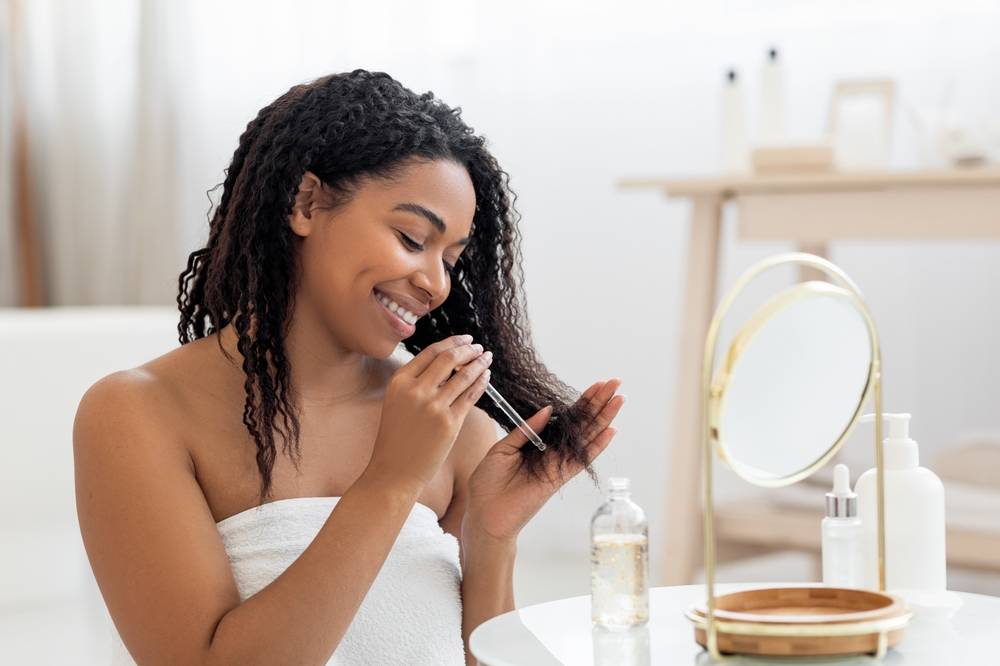
Understanding the scalp
Definition, common problems and hair care, discover everything you need to know about the scalp.
Definition of the scalp
The scalp covers the top of our head and contains the hair follicles, the tiny pockets from which our hair grows. It is composed of sebaceous glands that produce sebum, a natural oil necessary for healthy and beautiful hair.
Common scalp problems
Dandruff and seborrheic dermatitis are white or yellowish flakes that can appear when the scalp produces too much sebum . Hair loss can also be the result of scalp conditions like alopecia, or simply due to poor scalp care. Scalp eczema and psoriasis are also skin conditions that cause itching and red patches on the scalp.
Several other diseases can of course affect the scalp, including bacterial and fungal infections .
The importance of proper hair care
Choosing the right shampoo, mask, or oil for your hair can make a significant difference in preventing hair loss and promoting growth. Hair care is therefore not just about beauty; it also ensures a level of well-being that goes beyond mere aesthetics . Understanding your scalp, its specific needs, and the right products can truly transform your hair care routine into a positive experience.
The importance of scalp treatment
Whether it's professional treatments, care, or establishing a good daily routine, taking care of your scalp is essential for maintaining healthy hair.
Scalp care and nourishment
Scalp treatments are not simply beauty rituals; they are essential to the health and growth of your hair.
First, it's important to remember that the scalp produces sebum, a natural oil that keeps hair moisturized. However, its balance is vital . Not enough sebum can lead to itching, while too much can cause dandruff. Specific shampoos and products help maintain this balance.
Proper scalp care also prevents unexpected hair loss. This can include commercially available treatments, such as using a nourishing oil, or professional treatments.
Professional treatments
If scalp problems persist, it may be necessary to consult a hair specialist. Options include:
- the treatment of alopecia for those who suffer from significant hair loss, including transplantation;
- professional treatments for dermatitis and psoriasis , which reduce symptoms and improve skin health;
- specialized hair care for the scalp , using specific products to treat problems such as dandruff, excess sebum or dryness.
The impact of daily routine
Be aware that your daily habits have a direct effect on the health of your scalp. Selecting a shampoo and mask suited to your hair type, along with adding a nourishing oil, can transform your hair care routine into a highly effective treatment.
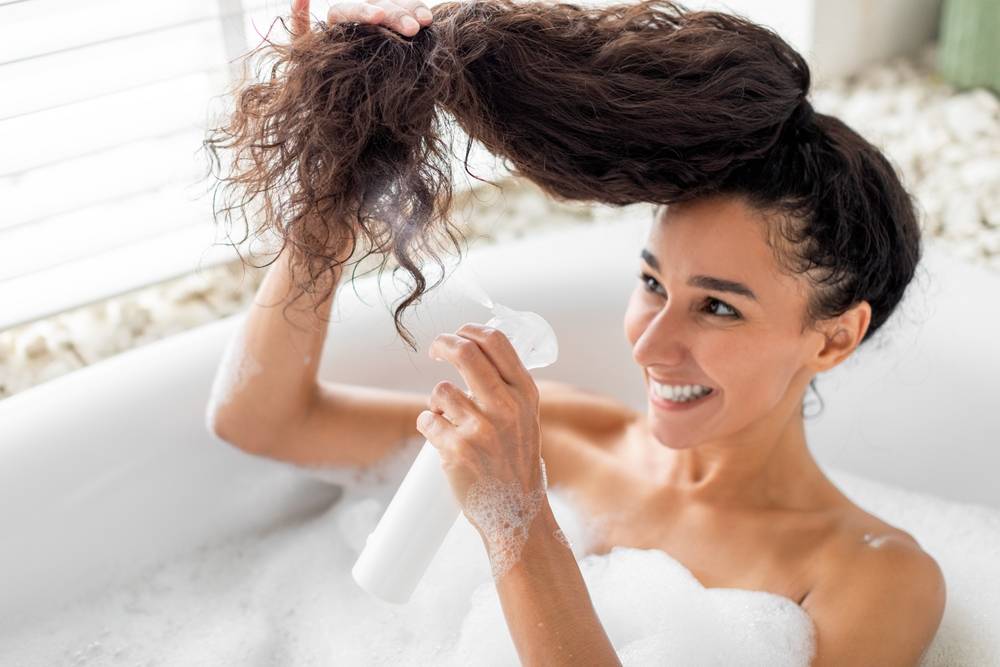
Practical tips for home treatment
Taking care of your scalp isn't just for professionals. With the right products and techniques, you can nourish and protect your scalp at home.
Choose the right products
Depending on your hair type and scalp needs, choose a suitable shampoo. For example, use anti-dandruff shampoos to combat dandruff or moisturizing shampoos for a dry scalp.
Note that natural oils like coconut oil also nourish the scalp .
Home care techniques
Keep in mind that a gentle massage can stimulate blood circulation in the scalp, thus promoting hair growth. However, some products can irritate the scalp and cause itching or other symptoms. Therefore, choose gentle products suited to your skin type.
For specific conditions such as seborrheic dermatitis or eczema, use products recommended by healthcare professionals.
Understanding and responding to symptoms
If you notice hair loss, don't panic. Identify the possible cause and look for specific products to treat the problem.
If you experience itching and flaking, these symptoms indicate a dry scalp or an underlying condition. Proper care and specialized treatments can then help.
The link between diet and scalp health
Keep in mind that diet plays a vital role in the health of your scalp. Therefore, if it is rich in essential nutrients , it can boost hair growth and prevent hair loss.
As you've probably gathered, taking care of your scalp is essential for the health and beauty of your hair. Whether you're concerned about hair loss, dandruff, seborrheic dermatitis, or simply want a healthy scalp, the right products and treatments, along with good habits, can make all the difference. Also, keep in mind that scalp conditions are often a symptom of a deeper problem, sometimes requiring the intervention of healthcare professionals.
We recommend these other pages: